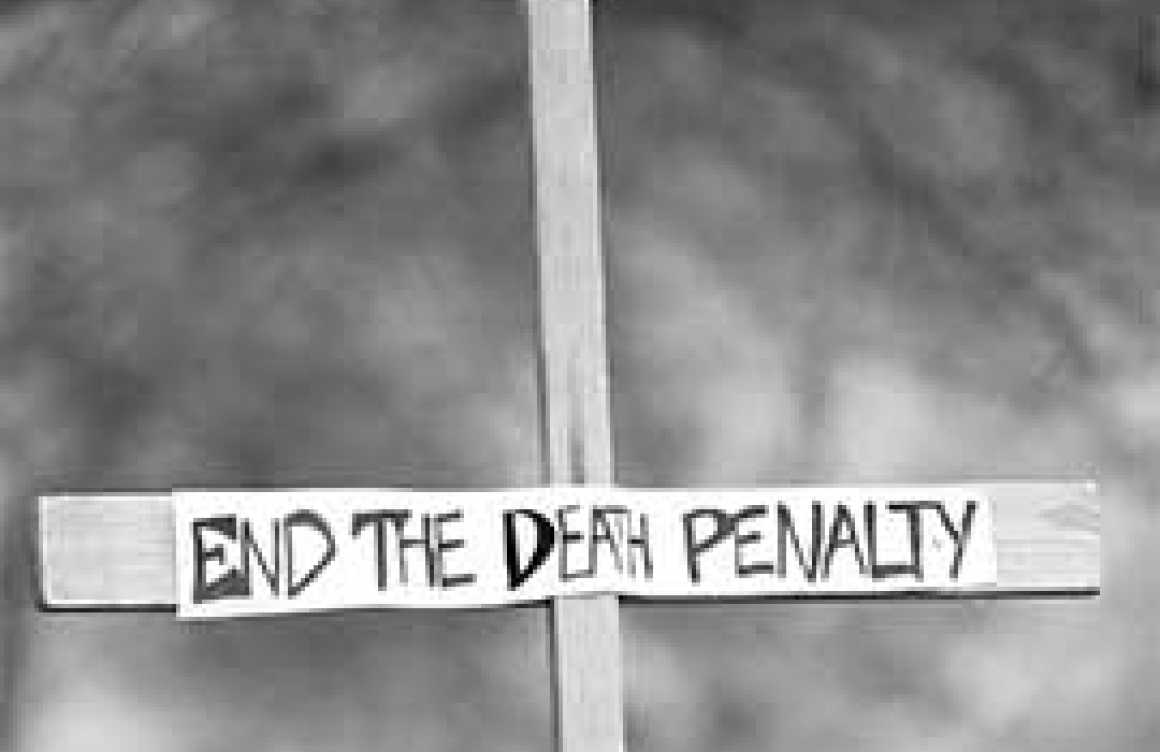
The Catechism of the Catholic Church (CCC), paragraph 2267, states:
“Recourse to the death penalty on the part of legitimate authority, following a fair trial, was long considered an appropriate response to the gravity of certain crimes and an acceptable, albeit extreme, means of safeguarding the common good.
Today, however, there is an increasing awareness that the dignity of the person is not lost even after the commission of very serious crimes. In addition, a new understanding has emerged of the significance of penal sanctions imposed by the state. Lastly, more effective systems of detention have been developed, which ensure the due protection of citizens but, at the same time, do not definitively deprive the guilty of the possibility of redemption.
Consequently, the Church teaches, in the light of the Gospel, that ‘the death penalty is inadmissible because it is an attack on the inviolability and dignity of the person,’ and she works with determination for its abolition worldwide.” CCC, 2267.
This means that the state may execute someone if, and only if, the person continues to be an ongoing, imminent threat to the community. What doe this mean? It means, that for all intents and purposes, that if the person cannot be isolated from society in prison to protect society, the state may execute him. For most of human history, societies did not have prisons.
For most of human history it was permissible to execute someone in limited circumstances. It was only in the 19th century that America developed prisons. Colonial jails existed, but they were primarily for holding prisoners before trial or punishment, not long-term incarceration. Punishments were often public, involving stocks, whipping posts, or transportation overseas.
The modern prison concept emerged in the United State in the early 19th century. It was a new approach to crime and punishment. This was different from colonial practices. In 1790, Philadelphia developed the Walnut Street Jail. The Walnut Jail was transformed into the first state prison. It featured individual cells for solitary labor and religious instruction. Auburn, New York, built a prison in 1817 and eastern Pennsylvania built a prison in 1829. These are the first prisons in American history. The rise of the incarceral state has ensured that even the most minor offenses often “warrant” incarceration. This has been the subject of much debate. See, for example, Michael Alexander, “The New Jim Crow: Mass Incarceration in the Age of Colorblindness.
Thus, according to the Catechism, because of the modern penal system, the state may not execute someone.
Future posts on this topic will discuss the historical background. They will also cover other matters about the Catholic Church’s teachings on the death penalty.

I hope you enjoyed this post. Please let me know if you would like too discuss this more in-depth or discuss something else. See you tomorrow!
Ben Crittenden