American History
-

Fourth Sunday of Advent Second Reading (Year A)
The second reading for the Fourth Sunday of Advent from Romans 1:1-7 “Paul, a servant of Jesus Christ, called to be an apostle, set apart for the gospel of God which he promised beforehand through his prophets in the holy scriptures, the gospel concerning his Son, who has descended from David according to the flesh
-
Substantive Due Process: What is it?
Substantive due process is a controversial and elusive concept in American law. In a series of posts I will address four questions. First, what is substantive due process? Second, when did substantive due process jurisprudence begin in American law? Third, when does the Supreme Court of the United States (SCOTUS) apply substantive due process? Fourth,
-
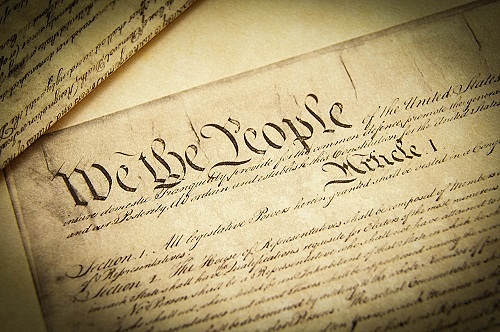
How State Constitutions Helped Build U.S. Constitution
1. INTRODUCTION The US Constitution was drafted at the Constitutional Convention (also called the Federal Convention) held in Philadelphia. The event took place from May to September 1787. Delegates from each of the 13 states met there to revise the weak Articles of Confederation. They ended up creating a whole new government structure. Key figures
-
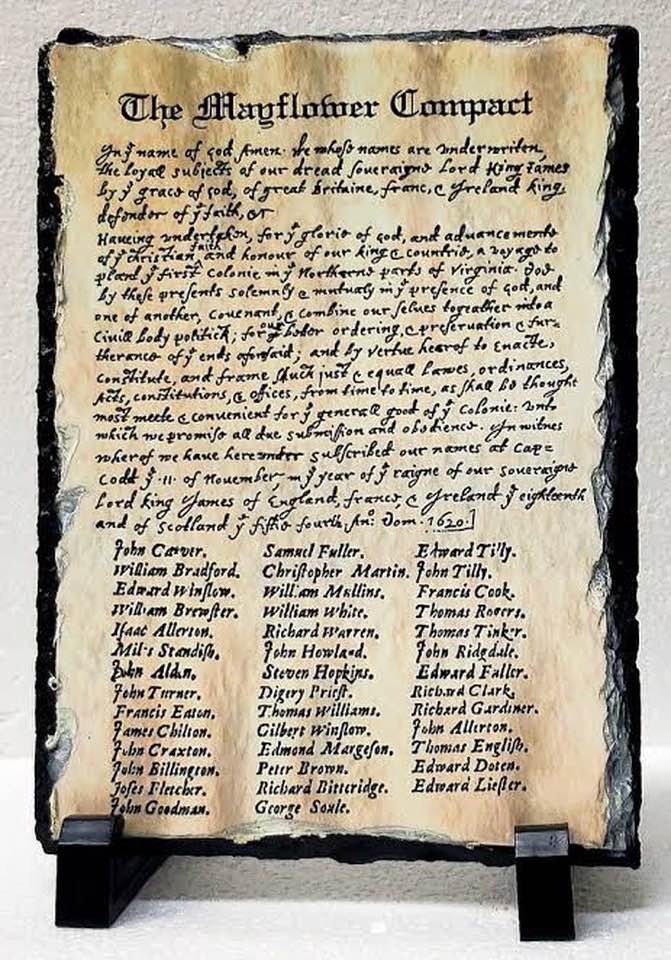
Mayflower Compact: America’s First Constitution
I. ORIGINS OF AMERICAN CONSTITUTIONALISM The Mayflower Compact of 1620 is considered the first constitution in American history. Throughout American history, the guiding principal of public law has been the concept of “constitutionalism,” a term expressing and embracing three fundamental American ideals: (1) limited government; (2) the rule of law; and (3) the structural devices
-
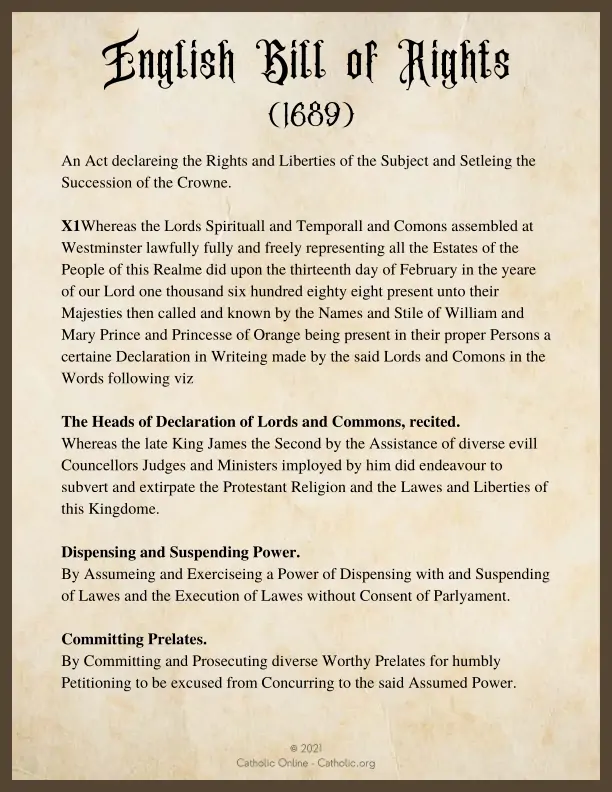
America’s Legal Heritage Part II: The English Bill of Rights of 1689
The English Bill of Rights was the first fruits of the Glorious Revolution in England in 1689. How did this Glorious Revolution happen? What was it? The Glorious Revolution in England followed a tumultuous period in English history. King Charles I was found guilty of treason and executed in 1649. After King Charles I’s execution,
-
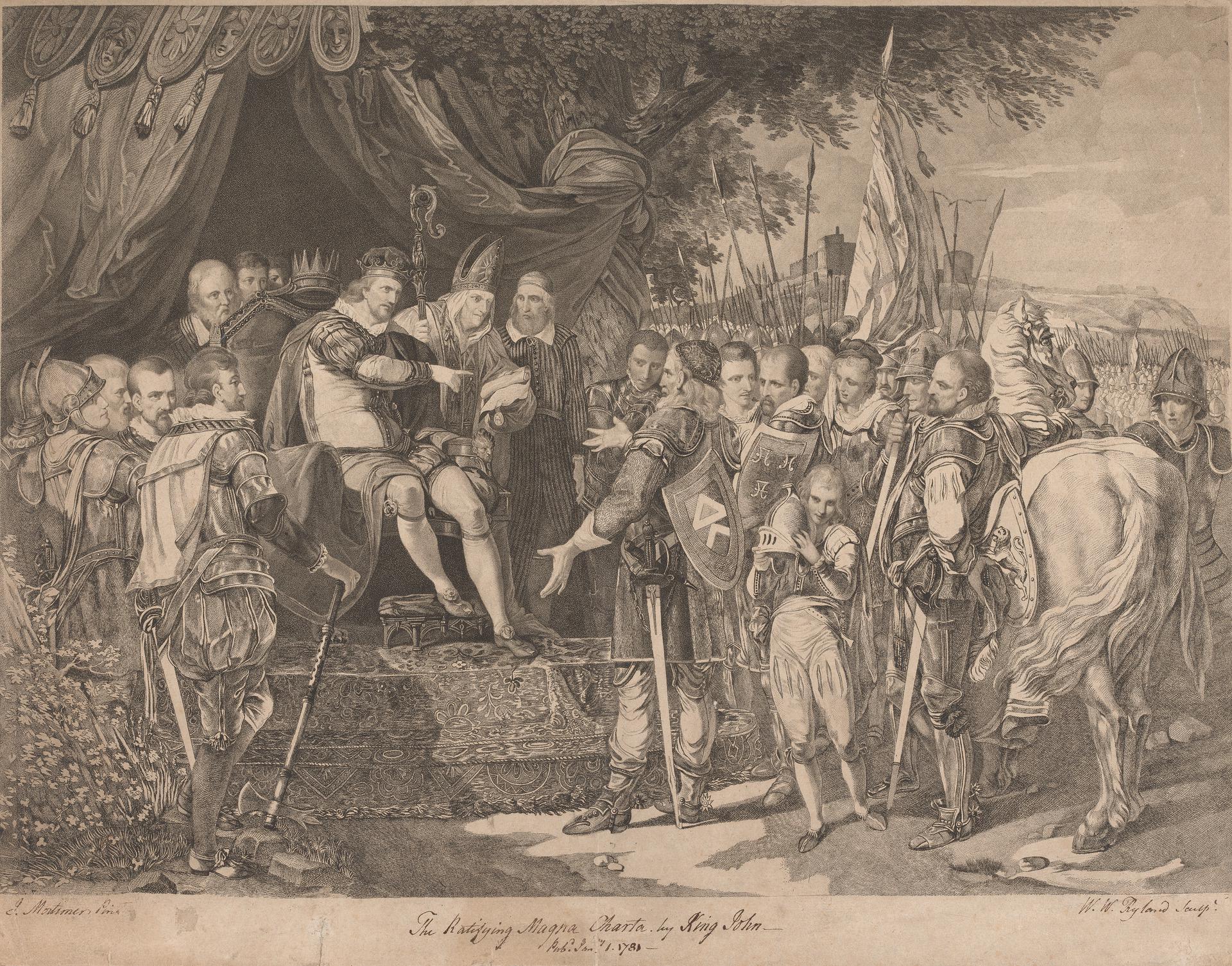
America’s Legal Heritage Part I: The Magna Charta
Colonial Americans did not think of themselves as Americans until the last third of the 18th century. They thought of themselves as English people living outside of Great Britain, but within the British Empire. They considered themselves heirs to the English legal tradition and English constitution (an uncodified constitution). They often relied on and emphasized
-
Hello world!
In this personal blog, I delve into a variety of topics that resonate with my experiences and beliefs. From the profound teachings of Catholicism to the latest book reviews, each post aims to spark thoughtful discussions. I also explore the realms of movies, philosophy, and theology. I provide insights that encourage readers to reflect on